Catch White Sturgeon Chilliwack BC
White Sturgeon Fishing in Chilliwack - What to Expect
%2F%2Fusers%2F0d06777a-05c4-44bd-a229-e638d13f766c%2Fimages%2Fwhite-sturgeon-chehalis-river-catch-7230.png&w=1920&q=75)
Fishing Charter by Captain Kyle Rudkevitch in July

- Private Chilliwack Fishing Charters


Summary
Join Captain Kyle of Cold Water Guiding on a Sunday in July for a full-day sturgeon fishing charter on the Fraser River near Chilliwack. This 8-hour guided fishing trip showcases proven techniques including gear fishing, casting spoons, jigging, and float fishing. With all equipment provided and small group sizes of up to 4 guests, you'll have the best opportunity to hook into these prehistoric giants in their natural habitat.
Sturgeon Fishing with Captain Kyle Rudkevitch - Rates & Booking
Captain Kyle Rudkevitch of Cold Water Guiding on Sunday, July 19 offers a full-day 8-hour guided sturgeon fishing charter designed for small groups of 1-4 guests. This river adventure begins at 7 a.m. from Island 22 Boat Launch in Chilliwack, giving you prime morning conditions when the water is calmest and white sturgeon are most active. The trip runs year-round except when the river is frozen, so you can experience this fishery across seasons.
All fishing equipment is included with your charter, covering everything from gear fishing setups to spoons, jigs, and floats. Captain Kyle will teach you multiple techniques tailored to conditions and your skill level, whether you're a seasoned angler or trying sturgeon fishing for the first time. The only requirement you'll need to bring is a valid BC freshwater fishing license before departure. Deposits are non-refundable, and booking is simple through Cold Water Guiding.
This full-day experience offers excellent value for groups of friends or family wanting to share the adventure together. The 8-hour duration allows plenty of time on the water without rushing, and you'll benefit from Captain Kyle's local knowledge of the Fraser River's best sturgeon habitat and seasonal patterns.
Highlights of Full Day Sturgeon Fishing Charter
White sturgeon are among the most impressive fish you can target in North America. These prehistoric giants can reach enormous sizes, and the thrill of feeling one take your line is unforgettable. The Fraser River near Chilliwack provides consistent sturgeon habitat, and Captain Kyle's expertise in reading the water and locating fish makes your chances of success significantly better.
The morning departure means you'll experience the river at its most serene, with calm water and peaceful surroundings before the day heats up. You'll travel in a modern jetboat that handles both calm sections and faster currents smoothly, accessing prime fishing zones that smaller boats cannot reach. The combination of proven fishing techniques and professional guidance creates an authentic sturgeon fishing experience rather than just casting and hoping.
Local Species Insights: White Sturgeon
White sturgeon are remarkable fish that have inhabited North American rivers for millions of years. These ancient giants can live for decades and grow to impressive sizes, making them a bucket-list target for many anglers. On the Fraser River, sturgeon inhabit deep holes and current breaks where they feed on the bottom, searching for crustaceans, fish eggs, and small fish.
These fish are bottom feeders, which is why gear fishing, jigging, and float fishing techniques are so effective. You'll be presenting your bait or lures directly to their feeding zones. Sturgeon are powerful swimmers that require substantial pressure and skill to land safely. When you hook into one, the fight is memorable - they pull hard, shake their heads, and make determined runs that test your tackle and resolve.
The catch and release ethic is central to sustainable sturgeon fishery management. Captain Kyle practices careful handling to ensure fish survival after release. When a sturgeon is brought to the boat, the moment is electric - seeing the fish up close, understanding its size and strength, and carefully returning it to the river completes the circle of respectful angling.
The Fraser River ecosystem supports healthy white sturgeon populations because of careful conservation efforts and guided catch-and-release practices like those Captain Kyle follows. By fishing with a professional guide who practices sustainable techniques, you're supporting the long-term health of this fishery while experiencing one of the most thrilling freshwater fishing opportunities available.
Plan Your Sturgeon Fishing Day
Your 8-hour charter begins early at 7 a.m., so plan to arrive at Island 22 Boat Launch a few minutes before departure. Bring a valid BC freshwater fishing license, appropriate clothing for river conditions, and sun protection. Captain Kyle provides all fishing equipment, so you only need to bring yourself and your enthusiasm.
Groups of up to 4 guests can share the charter, making it an economical option for families or friends. The modern jetboat is comfortable for a full day on the water, and Captain Kyle will rotate fishing positions to give everyone quality time working prime locations. Expect active fishing throughout the day as you learn multiple techniques and target different sections of river that produce sturgeon.
The early morning light and calm water that characterize the opening hours often produce excellent fishing. As the day progresses and temperatures rise, conditions change but sturgeon remain feeders, and Captain Kyle adjusts tactics accordingly. By the time your charter concludes in mid-afternoon, you'll have experienced a complete day on one of the Pacific Northwest's most iconic fisheries.
Fishing in Chilliwack, BC: White Sturgeon
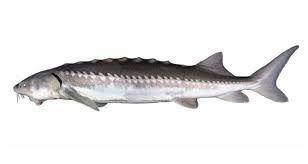
White Sturgeon Overview
The White Sturgeon (Acipenser transmontanus), also called the Pacific Sturgeon or Sacramento Sturgeon, belongs to the family Acipenseridae within the order Acipenseriformes. This is one of North America's most impressive game fish and the largest freshwater fish on the continent. What makes this species truly remarkable is its anadromous lifestyle—born in freshwater, it spends most of its life in saltwater before returning to spawn. With a long, cylindrical body covered in protective bony plates called scutes instead of traditional scales, a toothless protruding mouth, and sensory barbels near its nose, the White Sturgeon is instantly recognizable. The record-holder, caught in British Columbia's Fraser River in 2012, weighed nearly 1,100 pounds and measured over 12 feet long. Whether you're exploring the Pacific coast from Alaska down to Northern Baja, California, or fishing the great river systems where these ancient fish still thrive, encountering a White Sturgeon is an unforgettable experience that connects you to a living fossil that has survived for millions of years.
White Sturgeon Habitat and Distribution
White Sturgeon are found throughout the Pacific coast region, ranging as far north as Alaska and extending southward to Northern Baja, California. These fish are primarily marine dwellers, spending the majority of their adult lives in coastal saltwater environments and estuaries where they hunt and grow to tremendous sizes. However, during spawning season—which runs from early spring through May or June—they undertake remarkable migrations inland, traveling up major river systems including the Sacramento, San Joaquin, Columbia, and Fraser Rivers. This seasonal movement means anglers can find them in estuaries, large rivers, and even streams during the spring months. The species prefers areas with strong currents and rocky bottoms where they can forage effectively. When not spawning, they're most commonly found in deeper offshore waters and along the continental shelf of the Pacific Ocean, making them a true bridge between freshwater and marine ecosystems.
White Sturgeon Size and Weight
White Sturgeon are genuine giants of the water. While juveniles may start at just an inch or two, adult fish commonly reach lengths of 4 to 6 feet and weights of 100 to 300 pounds. The maximum recorded size is extraordinary—the largest confirmed catch weighed approximately 1,100 pounds and measured 12 feet 4 inches in length. What's particularly impressive is that these fish grow slowly and can live well over 100 years, with some individuals possibly reaching 150 years or more. This extended lifespan means a mature White Sturgeon represents centuries of survival and adaptation. When planning your angling adventure, understanding that you could encounter anything from a 50-pound juvenile to a 600-pound giant helps you prepare appropriately with the right tackle and mindset.
White Sturgeon Diet and Behavior
Despite their massive size, White Sturgeon are bottom-feeding carnivores that hunt using a fascinating feeding mechanism. These fish are toothless, instead using their protruding mouth to suck up prey from the river or ocean floor. Their sensory barbels—whisker-like appendages near their mouth—help them locate food in murky water by detecting chemical signals. Their taste buds are actually located on the outside of their mouth, adding another sensory advantage. White Sturgeon feed on shrimp, clams, crabs, worms, mussels, snails, and small fish species. What surprises many anglers is that despite their size, they're incredibly gentle biters. They'll often nibble delicately at bait for extended periods without fully committing to a meal. This gentle feeding behavior is deceptive—as soon as they sense any resistance or pressure, they'll immediately drop the bait and move on. This behavioral quirk makes patience and finesse essential skills for successful angling.
White Sturgeon Spawning and Seasonal Activity
White Sturgeon exhibit one of nature's most dramatic annual cycles. During spawning season, which typically runs from early spring through May or June, sexually mature fish undertake epic migrations from the ocean back into freshwater rivers. Both males and females gather in traditional spawning grounds, where they release sperm and eggs simultaneously. A single female can produce up to 3 million eggs during spawning season, an astonishing reproductive output that underscores the species' ancient evolutionary strategy. Once fertilized, eggs sink to the river bottom where they adhere to rocks and other underwater structures, protected until they hatch. After spawning, adults return to the ocean to feed and recover. This cycle repeats annually for decades, with some fish spawning multiple times over their incredibly long lives. The seasonal predictability of this migration makes spring the prime time for anglers seeking these magnificent fish.
White Sturgeon Techniques for Observation and Capture
Method 1: River Spawning Season Fishing (Spring)
The most productive approach is to target White Sturgeon during their spring spawning migrations in major river systems. Use live bait—squid, smelt, herring, or salmon—cast near deep holes, underwater structure, and current breaks where fish rest during their upstream journey. You'll need heavy-duty tackle: a stout rod rated for 50+ pounds, an 80-pound braided line, and substantial weights to keep bait on the bottom. Focus on dawn and dusk when fish are most active. Around the Sacramento and San Joaquin River deltas in California, charter services can guide you to proven hotspots along the river channels where spring staging areas concentrate feeding fish.
Method 2: Estuary and Nearshore Saltwater Fishing (Year-Round)
When fish are in their marine phase, target them in estuaries and near-shore environments using similar live bait presentations. Fish during slack tide when currents ease and baits settle naturally. Look for areas where freshwater rivers meet saltwater—these transition zones concentrate feeding sturgeon. A 6 to 7-foot rod with 50 to 80-pound line works well here. Allow bait to settle on bottom structure and wait patiently; don't set the hook until you feel a solid, sustained pull rather than initial gentle taps.
Method 3: Patient Bottom Fishing Technique
Regardless of location, remember that White Sturgeon bite with surprising gentleness. Drop your baited rig to the bottom and maintain contact without creating tension. When you feel a tentative tug or nibble, keep your rod steady and resist the urge to set the hook immediately. Wait for a second, firmer pull—that's when the fish has fully committed. Then drive the hook home with a quick, controlled reeling motion. This technique demands patience and restraint; rushing will cost you fish after fish.
White Sturgeon Culinary and Utilization Notes
White Sturgeon have been valued by humans for centuries for both their meat and their roe. The firm, white flesh is considered excellent eating with a mild, slightly sweet flavor and a texture similar to swordfish. The fish's eggs, processed into caviar, represent one of the most prized and expensive delicacies in the culinary world. Commercial and recreational harvests are now carefully regulated to ensure sustainability and species recovery. If you're fortunate enough to land a legal-sized fish in waters where harvest is permitted, the meat provides excellent nutrition with high protein content and omega-3 fatty acids. Always check local regulations regarding size limits, seasons, and bag limits before keeping any fish.
White Sturgeon Frequently Asked Questions
Q: What is the best bait for catching White Sturgeon?
A: Live or fresh bait works best, with squid, herring, smelt, salmon, and other small fish species proving highly effective. White Sturgeon aren't particularly picky about bait selection, but fresh offerings consistently outperform artificial lures. The key is presenting bait on or near the bottom where these benthic feeders actively hunt.
Q: Where can I find White Sturgeon near the Pacific coast?
A: The best opportunities exist in major river systems during spring spawning season. The Sacramento, San Joaquin, Columbia, and Fraser Rivers host significant populations during April through June. In saltwater, target estuaries and nearshore environments along the Pacific coast from Alaska to California year-round. The Fraser River near Vancouver, British Columbia, offers particularly strong populations and world-class fishing opportunities.
Q: Is White Sturgeon good to eat?
A: Yes, absolutely. White Sturgeon flesh is firm, white, and mild-flavored, often compared to premium seafood like swordfish. The roe (eggs) is particularly prized and processed into caviar—some of the world's most expensive and sought-after caviar. Always verify local harvest regulations before keeping any fish, as populations in some areas remain protected or limited.
Q: When is the best time to catch White Sturgeon?
A: Spring (April through June) is peak season when fish migrate into rivers to spawn, making them concentrated and more accessible. However, saltwater populations can be targeted year-round in estuaries and nearshore environments. Time your fishing around slack tide and dawn or dusk hours when feeding activity peaks.
Q: Why do White Sturgeon bite so gently?
A: These fish are suction feeders with toothless mouths, so they naturally feed gently, drawing prey into their mouth rather than biting aggressively. They'll nibble cautiously at bait before fully committing. The moment they sense resistance, they drop the bait entirely. This behavior requires anglers to maintain patience and composure, waiting for a confident pull before setting the hook.
Q: What tackle do I need for White Sturgeon fishing?
A: Use a stout, heavy-action rod rated for 50+ pounds, paired with an 80-pound braided line that provides better sensitivity and strength. Include substantial sinkers to keep bait on bottom, quality swivels to prevent line twist, and circle hooks sized appropriately for your bait. This combination handles the fish's weight and power while providing the sensitivity needed to detect delicate bites.
More specie you can explore on this trip
Cold Water Guiding Available Trips
The modern jetboat you'll board offers a smooth, responsive ride suited perfectly for a full day chasing sturgeon on the Fraser River. These specialized boats handle both calm stretches and faster currents with ease, giving Captain Kyle access to prime fishing zones that traditional boats can't reach efficiently. Inside, there's comfortable seating for your group with good sightlines to the river and your fishing area. The boat's design keeps you protected from spray while allowing full access to rod holders and fishing stations positioned for multiple anglers. You'll feel the boat's capability as it navigates different current speeds and depths, backing into productive holes and holding steady in current while you fish. The setup is functional and purpose-built for an 8-hour fishing day - everything arranged so you can focus on your lines and the water. Riding aboard, you'll notice how Captain Kyle uses the boat's handling to position you perfectly, making the vessel feel like an extension of your fishing strategy rather than just a way to get on the water.